

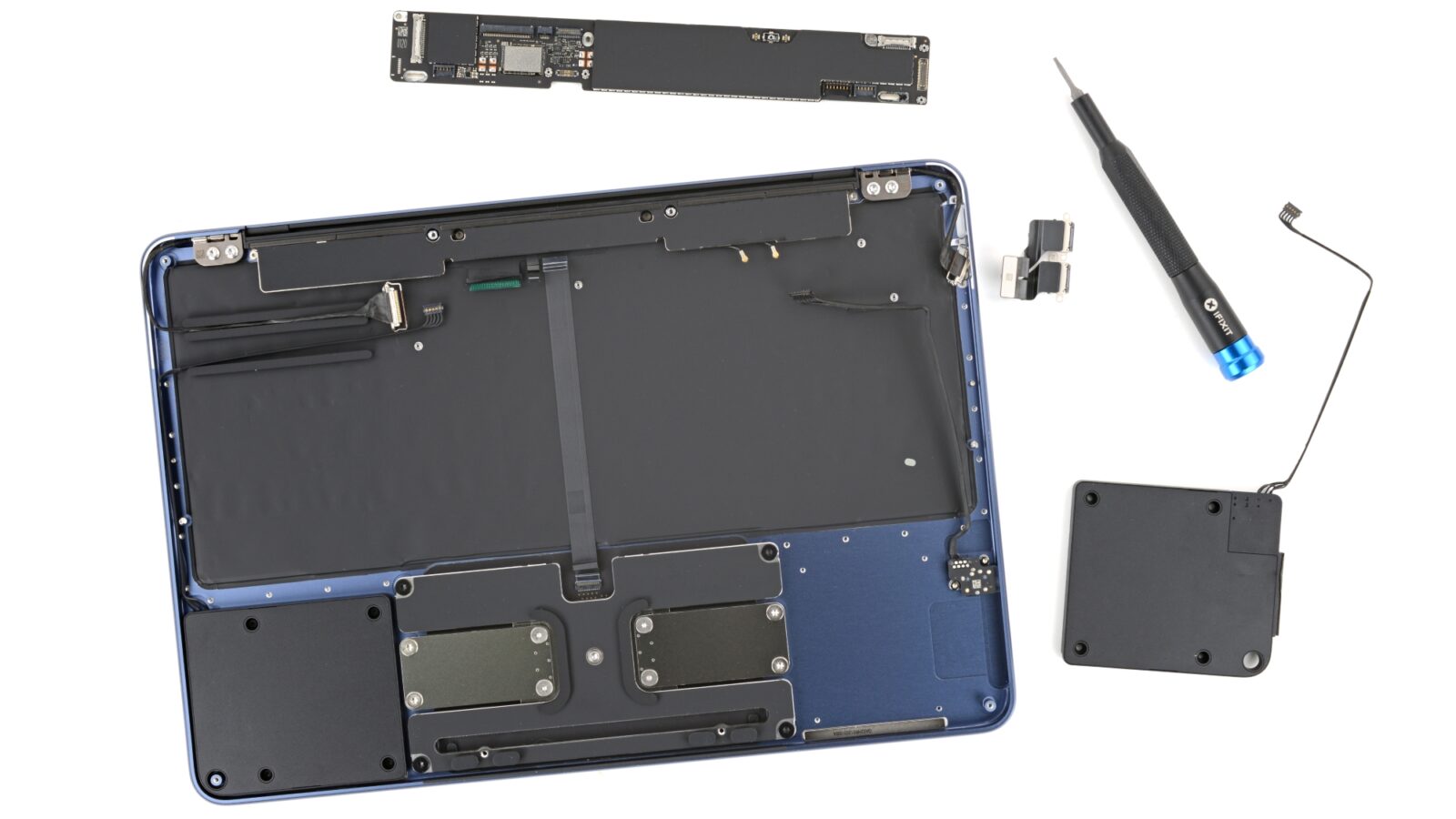
The VernonChan Verdict: For over a decade, buying a MacBook meant accepting a “disposable” design—batteries glued to the frame and keyboards riveted to the case. The MacBook Neo changes the game. By ditching industrial adhesives for a modular, screw-based design, Apple has quietly launched its most repairable (sustainable) laptop since 2012. It’s not just cheaper to buy; it’s finally cheaper to keep.
1. iFixit Teardown: What’s Inside the “Repairability King”?
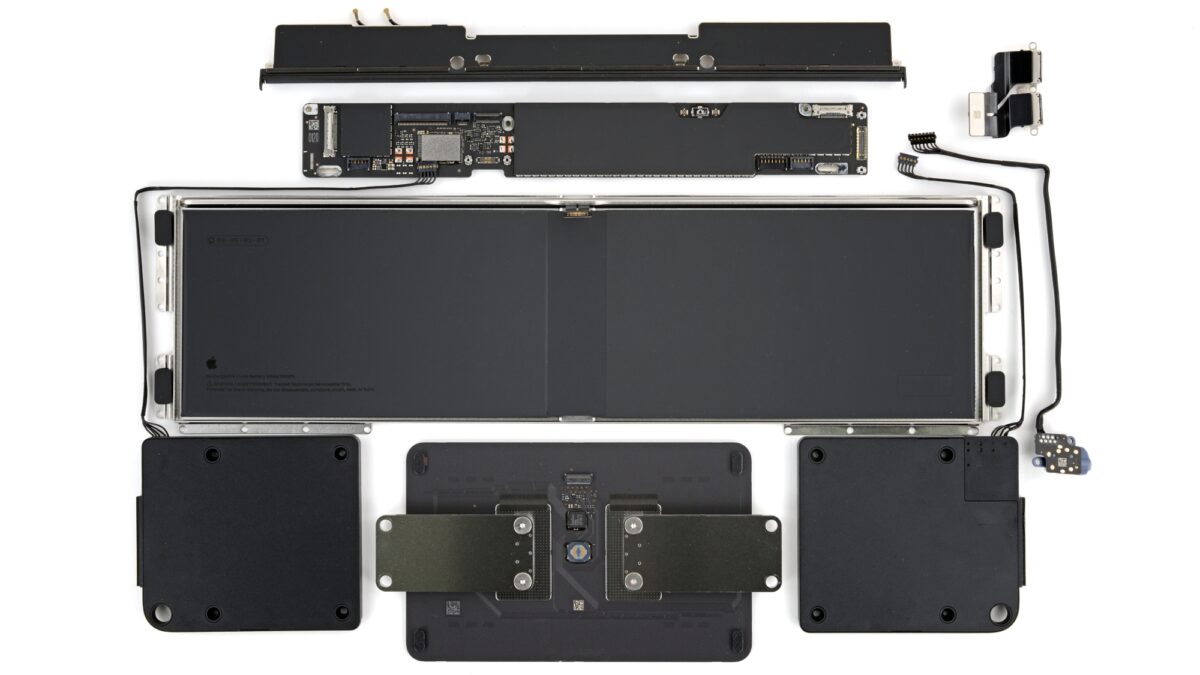
The teardown specialists at iFixit described the Neo’s internal design as “absolutely amazing” for a modern Apple product. Here are the three pillars of its 6/10 score:
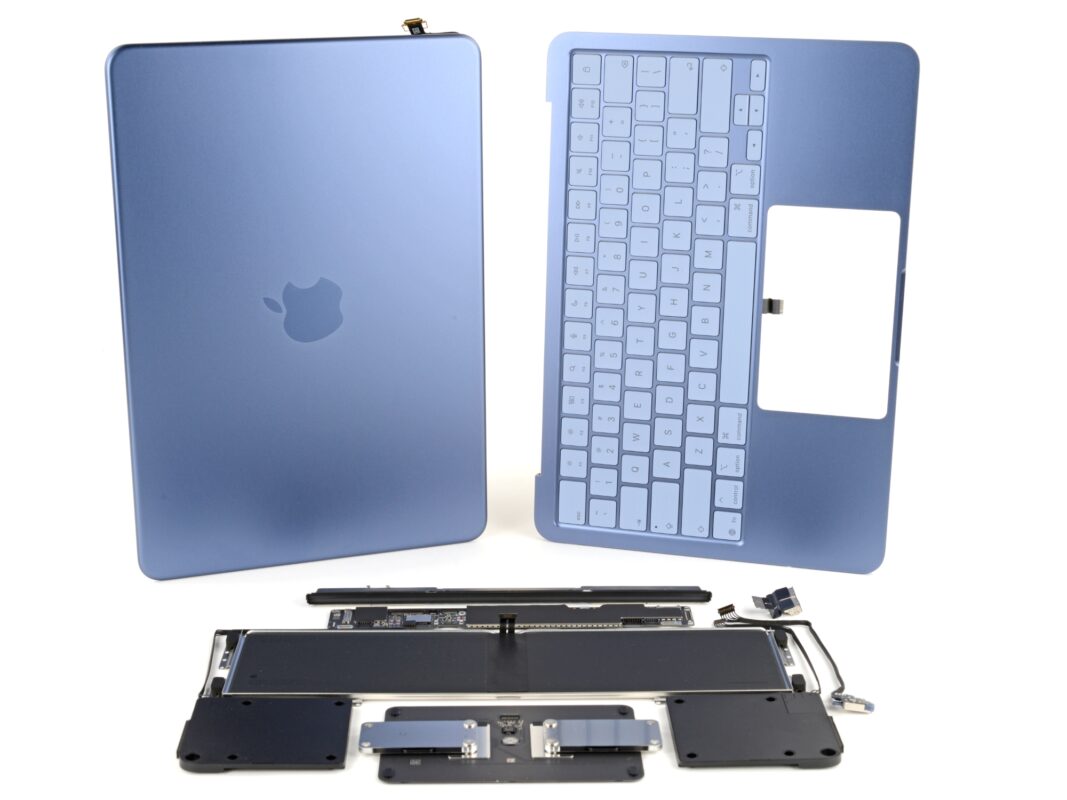
- The End of “Glue-Gate”: The 36.48 Wh battery is no longer held down by terrifying stretch-release tabs or heavy glue. It is secured by 18 screws on a dedicated tray. A battery swap is now a 10-minute maintenance task, not a 1-hour surgery.
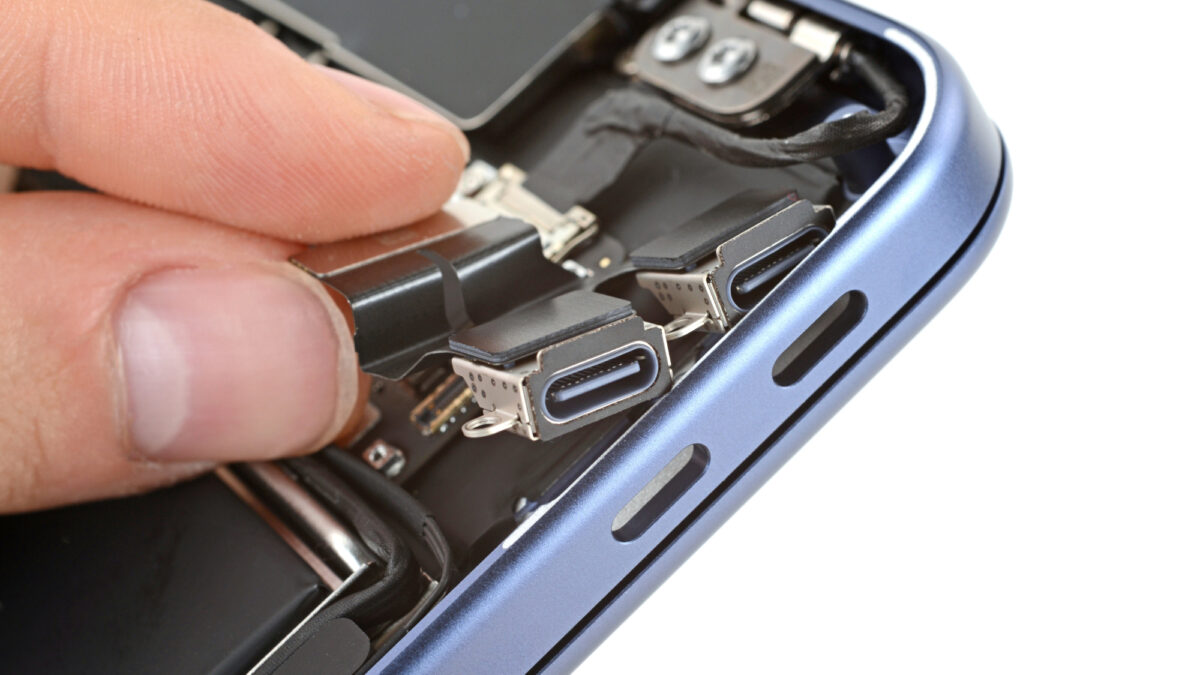
- Modular “Daughterboards”: The USB-C ports and the headphone jack are individual modules. On an M5 Air, a broken port often requires a motherboard replacement. On the Neo, you can swap the specific port for a fraction of the cost.
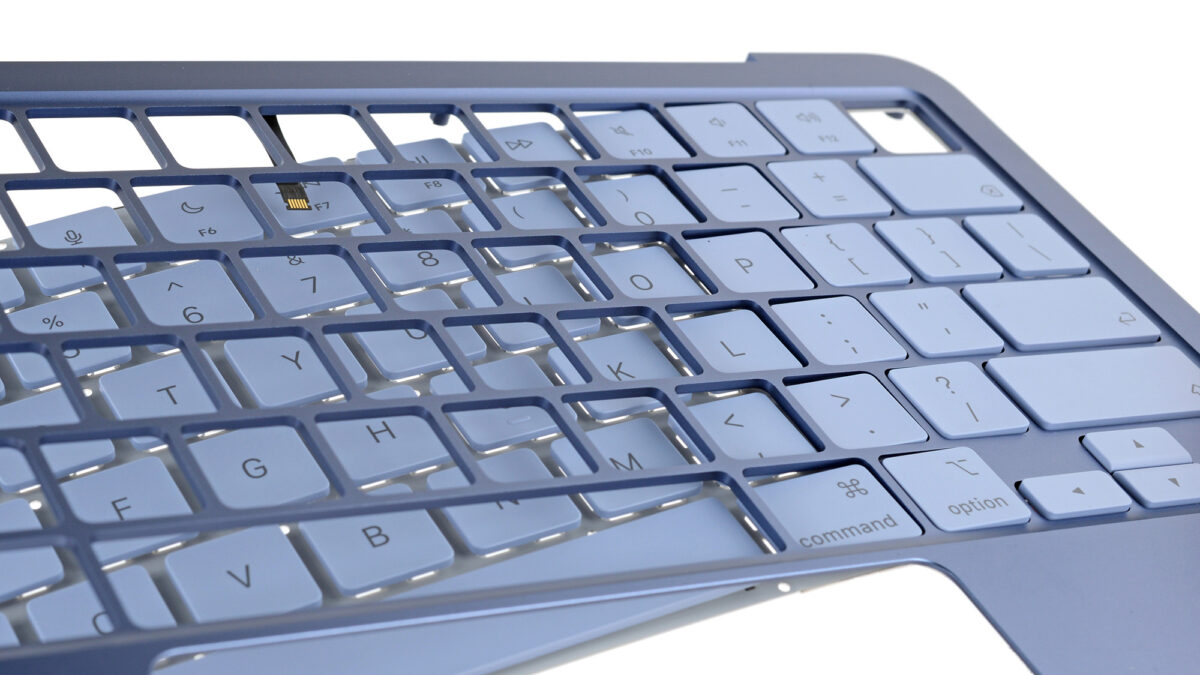
- Standalone Keyboard: In the past, a single broken key meant replacing the entire “Top Case” (half the laptop). The Neo’s keyboard is a discrete unit, significantly reducing the cost and waste of repairs.
2. Why the Change? The “EU Effect” & Education Strategy
You might wonder why Apple, a company that famously gatekept repairs, is suddenly embracing them. There are two primary drivers:
- Regulatory Pressure: The European Union’s mandate requiring user-replaceable batteries by 2027 is looming. The MacBook Neo is Apple’s “Pilot Program.” They are proving they can meet these laws without sacrificing their signature aluminum aesthetic.
- The Chromebook Killer Strategy: As we noted in our Main Hub, the Neo targets the education sector. School IT departments handle hundreds of repairs a year. A laptop that can be fixed in-house by a technician with a standard Torx screwdriver is far more attractive than one that requires a trip to an Apple Store.
3. The Software Win: macOS Tahoe Repair Assistant
It’s not just about the screws. Apple has launched the Repair Assistant in macOS Tahoe.
- Calibration for All: If you swap a screen or a Touch ID sensor, you can now use this built-in tool to calibrate the part yourself.
- No More “Parts Pairing”: iFixit confirmed they could swap parts between two different Neo units without the system throwing a “Non-Genuine Part” warning. This is a massive win for the independent repair shops in Malaysia.
4. The “Catch”: What You Still Can’t Fix
Despite the modular wins, Apple hasn’t gone “full framework.”
- Soldered Everything: The 8GB RAM and 256GB SSD are still soldered directly to the logic board. You can fix the laptop if it breaks, but you still cannot upgrade its performance.
- Mechanical Trackpad: To save costs and simplify repairs, the Neo uses a mechanical “clipping” trackpad instead of the haptic Force Touch found on the Air. It’s easier to fix, but it lacks that modern “click everywhere” feel.
How Does This Affect Your Buy?
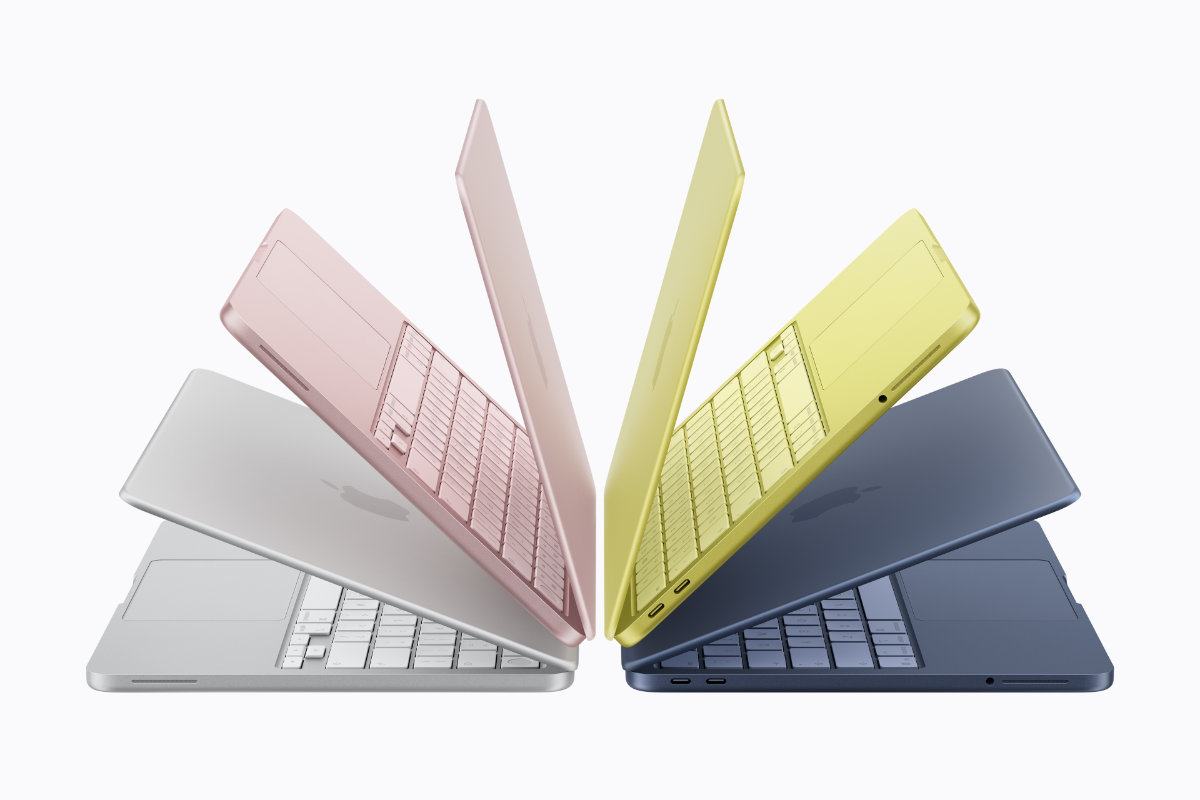
If you are deciding between the Neo and the Air M5, factor in the Total Cost of Ownership.
- The Air M5 (RM4,699): Faster, better screen, but harder and more expensive to repair out of warranty.
- The Neo (RM2,499): Slower, but significantly more “future-proof” against accidental damage. An out-of-warranty battery replacement for the Neo is estimated at RM499, compared to the RM799+ for the Air.
Thinking of upgrading?
- Read our full MacBook Neo Technical Review to see the A18 Pro in action.
- Check the 2026 Trade-In Values to see how much your old M1 Air is worth toward a new Neo.
