

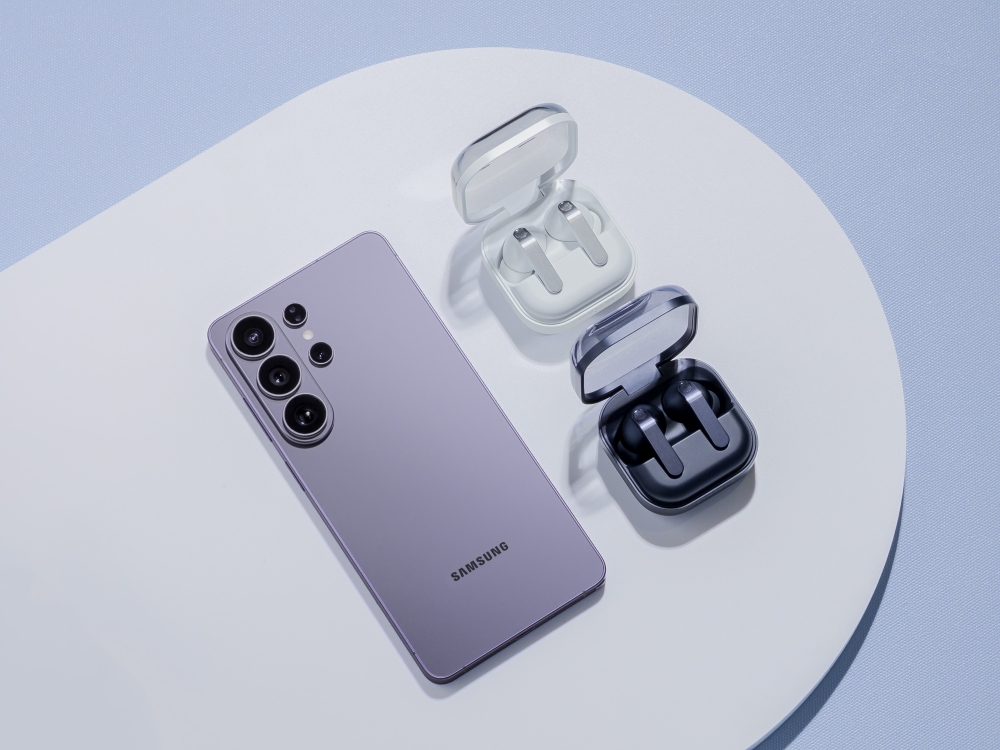
At a Glance / TL;DR
The Showdown: Galaxy S26 Ultra vs. S25 Ultra. The Material Flip: Samsung ditched Titanium for Armor Aluminium 2. It’s less premium on paper, but makes the phone 4g lighter (214g) and 0.3mm thinner (7.9mm). The Thermal Logic: Aluminium has better thermal conductivity than Titanium. Paired with a 21% larger vapor chamber, the S26 Ultra sustains peak gaming performance longer. The Verdict: If you have an S25 Ultra, you’re upgrading for 60W charging and the Privacy Display, not the build. If you have an S24 Ultra or older, the ergonomic leap is massive.
When Samsung introduced Titanium with the S24 Ultra, it was marketed as the ultimate “forever” material. Fast forward to the Galaxy S26 Ultra, and Titanium is in the rearview mirror. This isn’t a cost-cutting move; it’s an Engineering Correction.
1. Ergonomics: Shaving the “Brick” Factor
The S25 Ultra was a step in the right direction, but the S26 Ultra finally crosses the finish line.
- The Dimensions: At 7.9mm, it is the thinnest Ultra ever.
- The Weight: Dropping to 214g (from 218g) sounds minor, but in the hand, the balance shift is palpable.
- Internal Logic: By using Armor Aluminium 2, Samsung was able to use thinner frame rails while maintaining structural rigidity, allowing for more internal space for the Snapdragon 8 Elite Gen 5‘s cooling system.
2. Thermals: The Aluminum Advantage
Titanium is a terrible thermal conductor. It traps heat. In contrast, Aluminium is a heat-dissipation beast.
- S25 Ultra Problem: Under heavy load (Genshin Impact, 4K video), the Titanium frame would heat up localised spots, leading to quicker throttling.
- S26 Ultra Solution: The Aluminium frame acts as a massive secondary heat sink for the 21% larger Vapor Chamber. Early benchmarks show the S26 Ultra maintains 92% stability over a 20-minute stress test, compared to the S25 Ultra’s 84%.
3. The Charging Gap: 45W vs. 60W
Samsung finally stopped being conservative.
- S25 Ultra: 0% to 100% in about 65 minutes.
- S26 Ultra: Hits 75% in just 30 minutes thanks to the new Super Fast Charging 3.0 (60W).
- The Friction Fixed: This effectively eliminates the overnight charge anxiety. A quick shower and coffee is now enough to get you through a full workday.
4. Optics: f/1.7 vs. f/1.4
The megapixels are the same (200MP), but the Aperture is the real story.
- S26 Ultra: The wider f/1.4 aperture on the main sensor isn’t just for low light. It creates a natural, hardware-level bokeh (background blur) that looks significantly more “DSLR-like” than the S25 Ultra’s flatter f/1.7 images.
Comparison Matrix: At a Glance
| Feature | Galaxy S25 Ultra | Galaxy S26 Ultra |
| Material | Titanium | Armor Aluminium 2 |
| Thickness | 8.2 mm | 7.9 mm |
| Display | 6.9″ M13 (8-bit) | 6.9″ M14 (10-bit + Privacy) |
| Main Camera | 200MP f/1.7 | 200MP f/1.4 (47% more light) |
| Wired Charge | 45W | 60W |
| Wireless | 15W | 25W |
